Man Overboard: Critical Survival Skills for Sailors
Understanding the Risks
A man overboard (MOB) situation is one of the most dangerous scenarios a sailor can encounter. Every second counts, and preparedness can mean the difference between life and death.
Prevention is the Best Strategy
Safety Measures to Minimize Risk
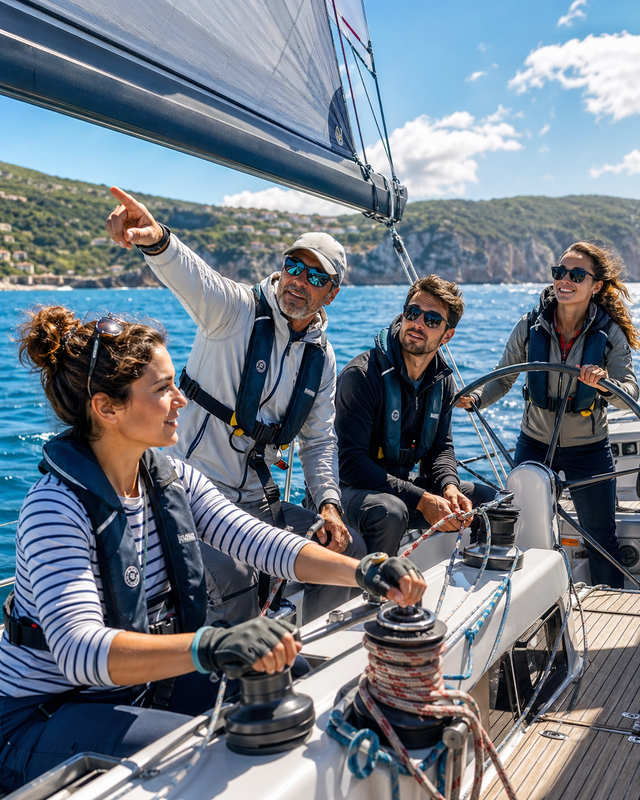
- Always wear a personal flotation device (PFD)
- Use safety harnesses and jacklines when moving on deck
- Maintain three points of contact during rough seas
- Conduct regular crew safety training
Immediate Response Procedures
What to Do When Someone Falls Overboard
- Shout "Man Overboard!" to alert the entire crew
- Assign a dedicated spotter to keep visual contact
- Immediately throw flotation devices toward the person
- Activate MOB button on GPS/chartplotter
- Prepare throwable rescue equipment
Rescue Techniques
Successful MOB rescue depends on quick, coordinated action. Practice these critical techniques during calm conditions to ensure muscle memory during emergencies.
Recommended Rescue Methods
- Approach from downwind to control vessel
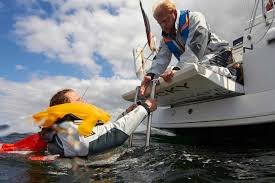
- Use a MOB recovery ladder or specialized equipment
- Consider crew member's physical condition and sea state
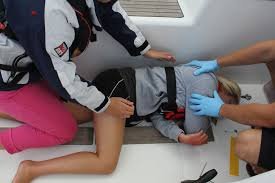
- Prepare medical support immediately after retrieval
Essential Equipment
Every vessel should be equipped with:
- Life rings
- Strobe lights
- Personal locator beacons
- Rescue slings
- MOB recovery devices
Training and Preparation
Regular crew drills and MOB training are not optional—they're essential. Invest time in comprehensive safety education and practice scenarios to build confidence and competence.
Recommended Training Elements
- Simulated MOB scenarios
- First aid and CPR certification
- Understanding maritime rescue protocols
- Equipment familiarization
Conclusion
Man overboard situations demand instant, precise action. By understanding risks, implementing prevention strategies, and maintaining rigorous training, sailors can significantly improve crew safety and survival chances.