Crossing the Atlantic on a Small Yacht: What You Need to Know
Understanding the Atlantic Crossing Challenge
Sailing across the Atlantic in a small yacht is the ultimate maritime adventure that tests both your sailing skills and personal resilience. This epic journey isn't just a trip—it's a transformative experience that requires meticulous preparation, mental fortitude, and a deep respect for the ocean.
Essential Preparation
Yacht Requirements
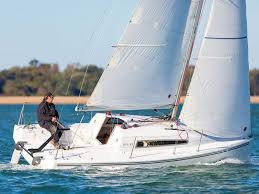
- Minimum yacht size: 32-38 feet recommended
- Strong, seaworthy hull design
- Reliable navigation and communication systems
- Robust rigging and sail configuration
Key Preparation Checklist
- Complete comprehensive vessel maintenance
- Install reliable solar and backup power systems
- Carry extensive spare parts
- Develop robust emergency protocols
Route Planning and Timing
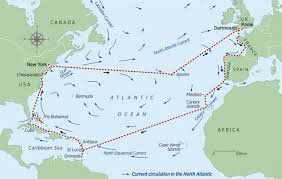
Most Atlantic crossings follow two primary routes:
- The Canary Islands to Caribbean route (November-January)
- The Portugal to Caribbean route (late autumn)
What to Expect at Sea
Physical Challenges
An Atlantic crossing typically takes 2-3 weeks, involving:
- Constant motion and potential seasickness
- Watch schedules of 3-4 hour shifts
- Limited personal space
- Physically demanding sailing conditions
Psychological Preparation
Mental resilience is crucial. Expect:
- Long periods of isolation
- Potential communication challenges
- Close quarters with crew members
- Moments of both intense excitement and profound solitude
Essential Skills and Equipment
Must-Have Skills
- Advanced marine navigation
- Emergency repair techniques
- Weather interpretation
- Basic medical knowledge
Critical Equipment
- Satellite communication device
- Comprehensive medical kit
- Water maker
- Multiple GPS and navigation systems
- Robust safety equipment
Final Thoughts
An Atlantic crossing on a small yacht is more than a journey—it's a life-defining experience. With proper preparation, the right mindset, and respect for the ocean, you'll create memories that will last a lifetime.