Survival Skills: Emergency Handling for Yacht Crews
The open sea can be unpredictable, and every sailor must be prepared to face unexpected challenges. This comprehensive guide will equip you with essential emergency management skills that could save lives.
Medical Emergencies at Sea
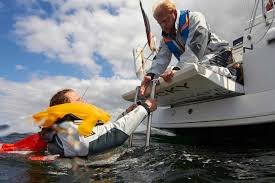
When professional medical help is hours or days away, crew members must be ready to handle critical situations:
- Carry a comprehensive marine first aid kit
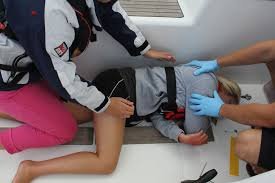
- Train all crew members in basic emergency medical procedures
- Have a satellite communication device for remote medical consultations
Common Medical Emergency Scenarios
- Severe injuries from equipment accidents
- Potential heart attacks or stroke
- Allergic reactions
- Hypothermia
Navigation and Structural Emergencies
Critical situations can arise quickly on a small yacht. Preparation is key:
- Always have multiple navigation backup systems
- Maintain regular equipment checks
- Practice emergency repair techniques
Potential Critical Scenarios
- Hull breach or significant water ingress
- Electrical system failure
- Steering mechanism breakdown
- Rigging damage
Essential Emergency Equipment Checklist
- EPIRB (Emergency Position Indicating Radio Beacon)
- Life rafts with survival supplies
- Waterproof emergency communication devices
- Emergency medical kit
- Backup power sources
- Emergency water desalination equipment
Mental Preparedness and Training
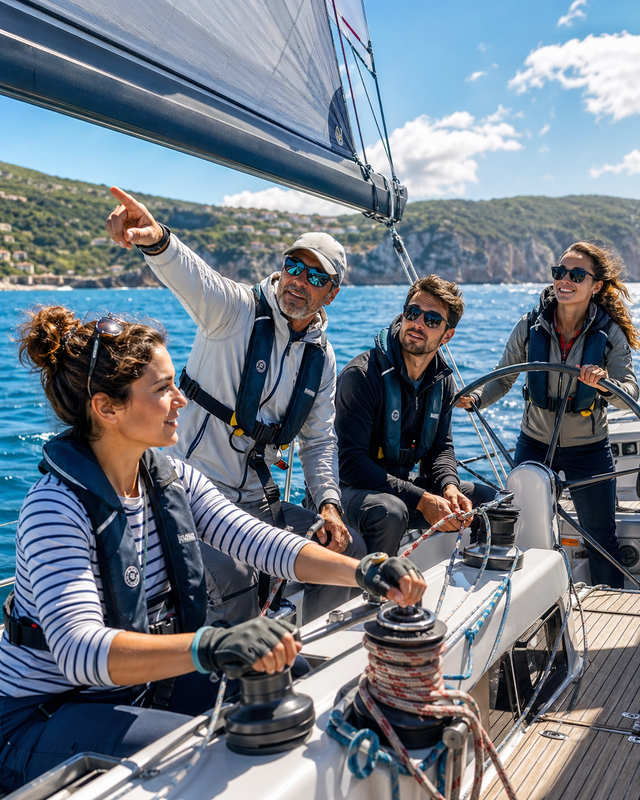
Technical skills are crucial, but mental resilience can be your greatest asset during emergencies. Regular crew drills, scenario training, and maintaining calm under pressure are essential survival strategies.
Key Mental Preparation Techniques
- Conduct regular emergency scenario simulations
- Practice stress management techniques
- Develop clear communication protocols
- Build trust and teamwork among crew members
Conclusion
While no sailor hopes to encounter emergencies, being prepared can mean the difference between survival and tragedy. Continuous learning, practice, and a proactive approach to safety are your best defenses against the unpredictable nature of maritime adventures.